
Chipped Nail Polish Theory
Chipped Nail Polish Theory.
We can all agree that a fresh manicure looks good.
We can also all agree that chipped nail polish looks gross.
Bare nails, meanwhile, look unremarkable. They might not look as good as a manicure, but they certainly don’t read as careless or unprofessional as chipped nail polish.
But why shouldn’t we prize chipped nail polish (a little bit of a good thing) above no nail polish (no good thing at all)? That is, why is a chipped good treated as worse than no good at all?
One explanation goes like this: manicured nails say, I care and I maintain.
Chipped nails say, I failed at upkeep, and I didn’t bother to fix it.
Bare nails say nothing.
That sounds right, but I don’t like it.
Imagine I get my nails done one day. That day, I care a lot about my nails. In fact, I love them. You can expect excessive hand gestures from me on this day.
After three days, I get used to them.
I stop noticing them.
I stop caring.
Three days later, the polish chips.
I still don’t care.
Now I have chipped nail polish, no concern about how my nails look, and—let’s say—no remover on hand.
What is the correct move?
Scrape it off?
Run an errand to erase evidence of a commitment I no longer feel? Why should I perform extra labor to conceal a preference I no longer have?
Bare nails and chipped nail polish result from the same mental state. They should, theoretically, express the same thing: indifference. My chipped nail polish unforgivably records my change of mind. Until I remove it.

Field Notes from Tallinn
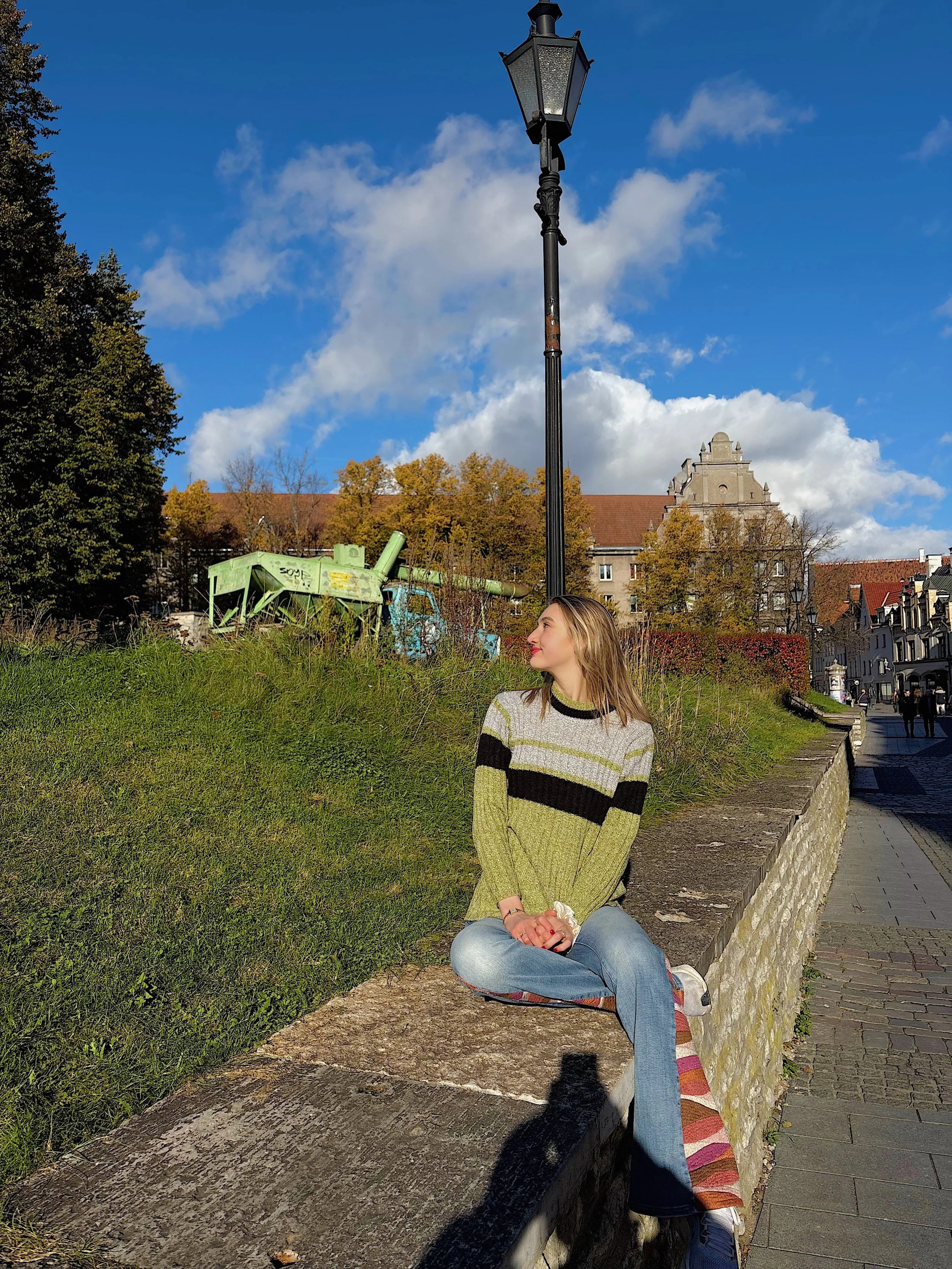
Last weekend in Tallinn, I understood nothing and everything.
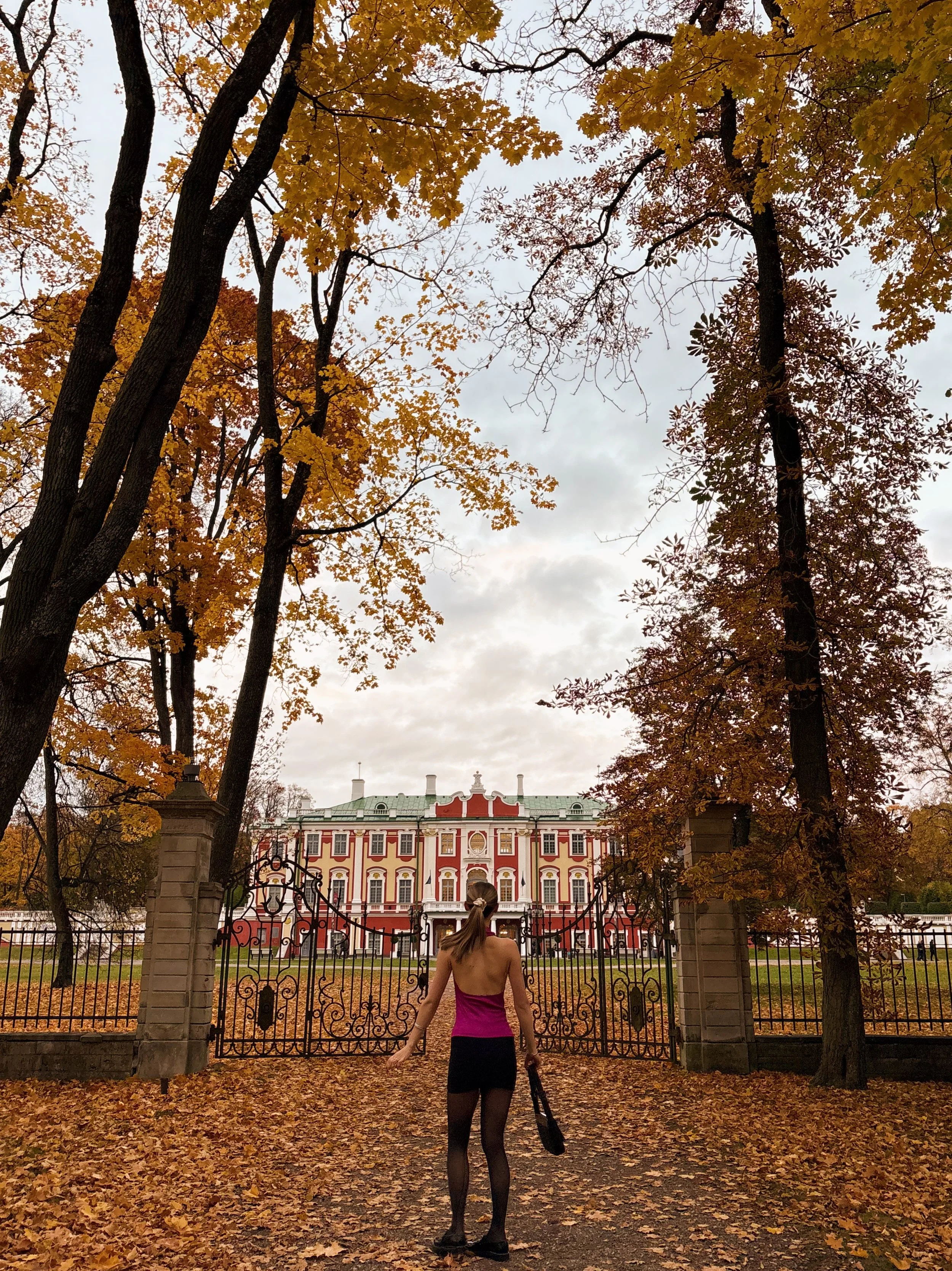
For centuries, empires tried to silence this small country. The one thing they couldn't take was language. Estonian doesn't descend from Latin or bend toward Slavic. It belongs to the Finno-Ugric family, completely separate from the Indo-European languages surrounding it. It traces back thousands of years to the Ural Mountains, shaped by wind and forest, refined through occupation and survival.
When Soviet tanks banned the flag and criminalized the mother tongue, Estonians didn't riot. They sang. Thousands gathered in fields and city squares, lifting forbidden hymns until the sound became unbearable to ignore. The Singing Revolution won with melody what violence never could.
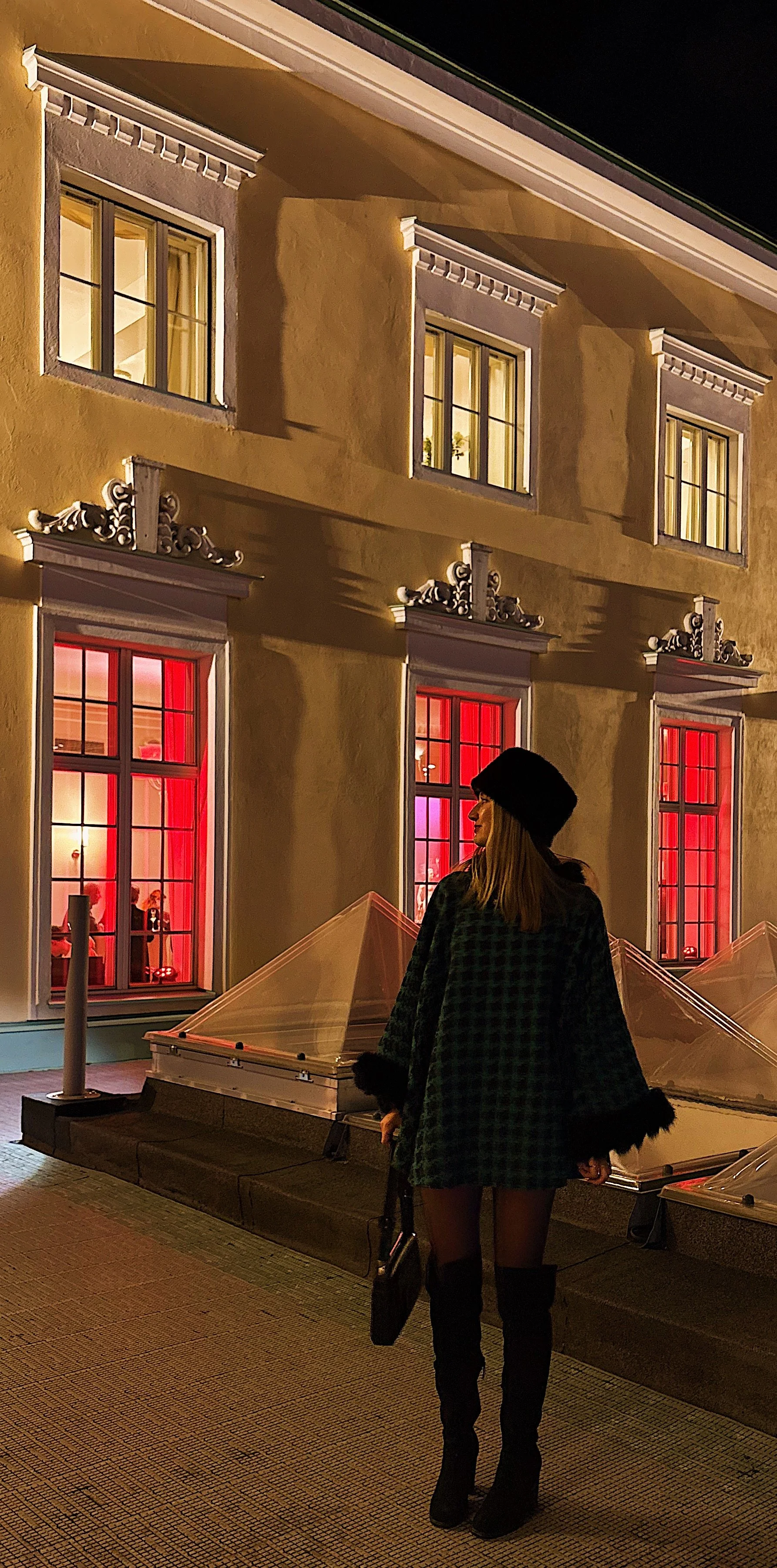
Saturday night I sat in the Estonian National Opera and watched Cabaret unfold entirely in Estonian. I'd seen it before (in German, in English) but hearing it in Estonian, meaning traveled through tone and breath. I couldn't parse a word, yet I felt every line land.
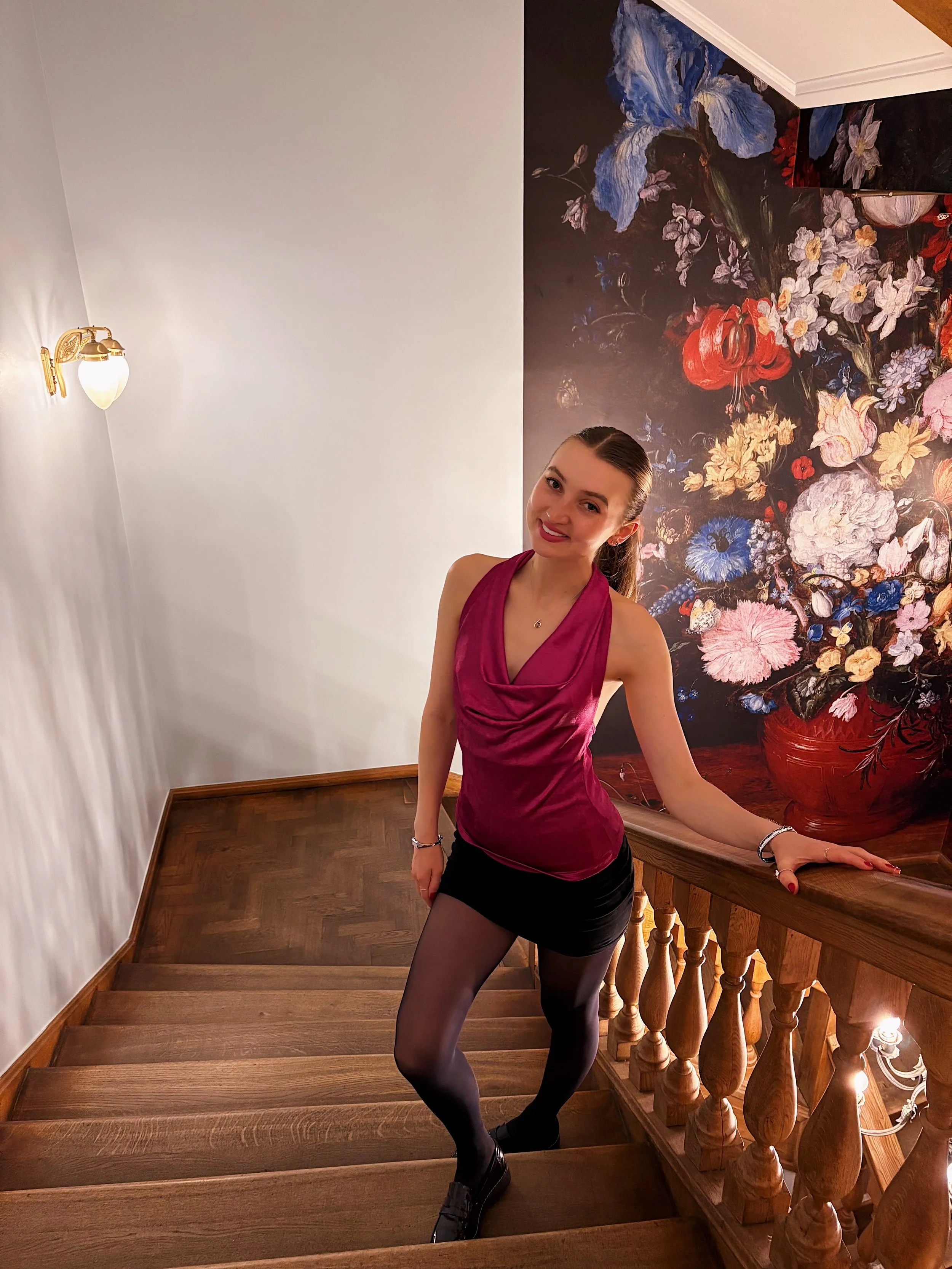
Sunday brought something rarer: a concert at Kadriorg Palace, where Dutch Composer Johannes Nicolaas Helstone’s work premiered on Estonian soil for the first time. His direct descendants sat a few seats to my left. The music moved through that Baroque hall like a conversation across centuries, speaking what language abandons at its limits.
Estonian features vowel sounds that can be short, long, or overlong. Words like kõueöö (night thunderstorm) that string together vowels with almost no consonants, creating rhythms no other language holds. The language carves meaning through fourteen grammatical cases and vowel harmony, building sentences the way other tongues never learned.
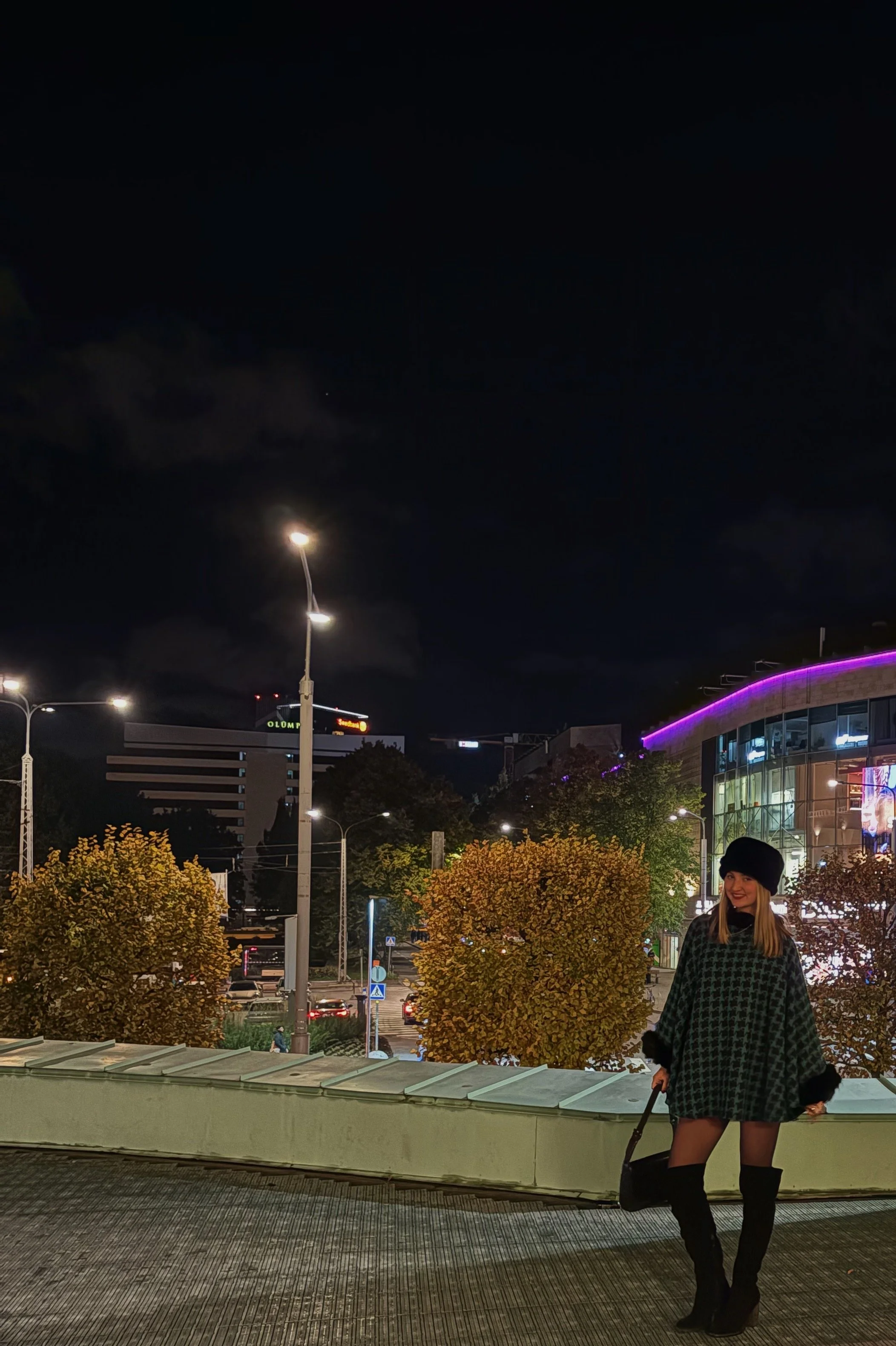
In Tallinn, I learned that translation can fail, but sound never does. Some truths travel farther on breath than on grammar.
Kõik möödub, aga laul jääb.
Everything passes, but the song remains. 🇪🇪💙
The Restless Quadriga
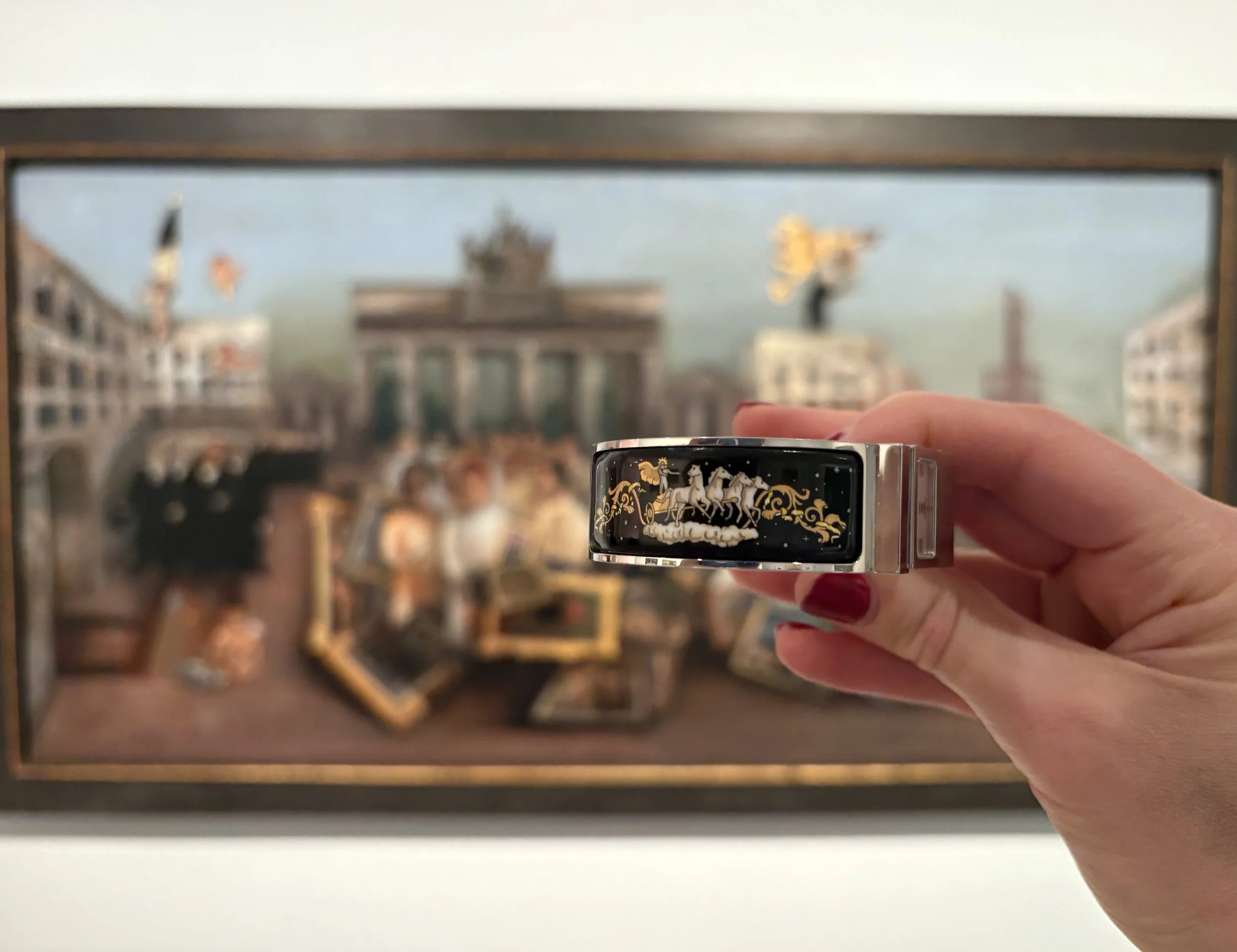
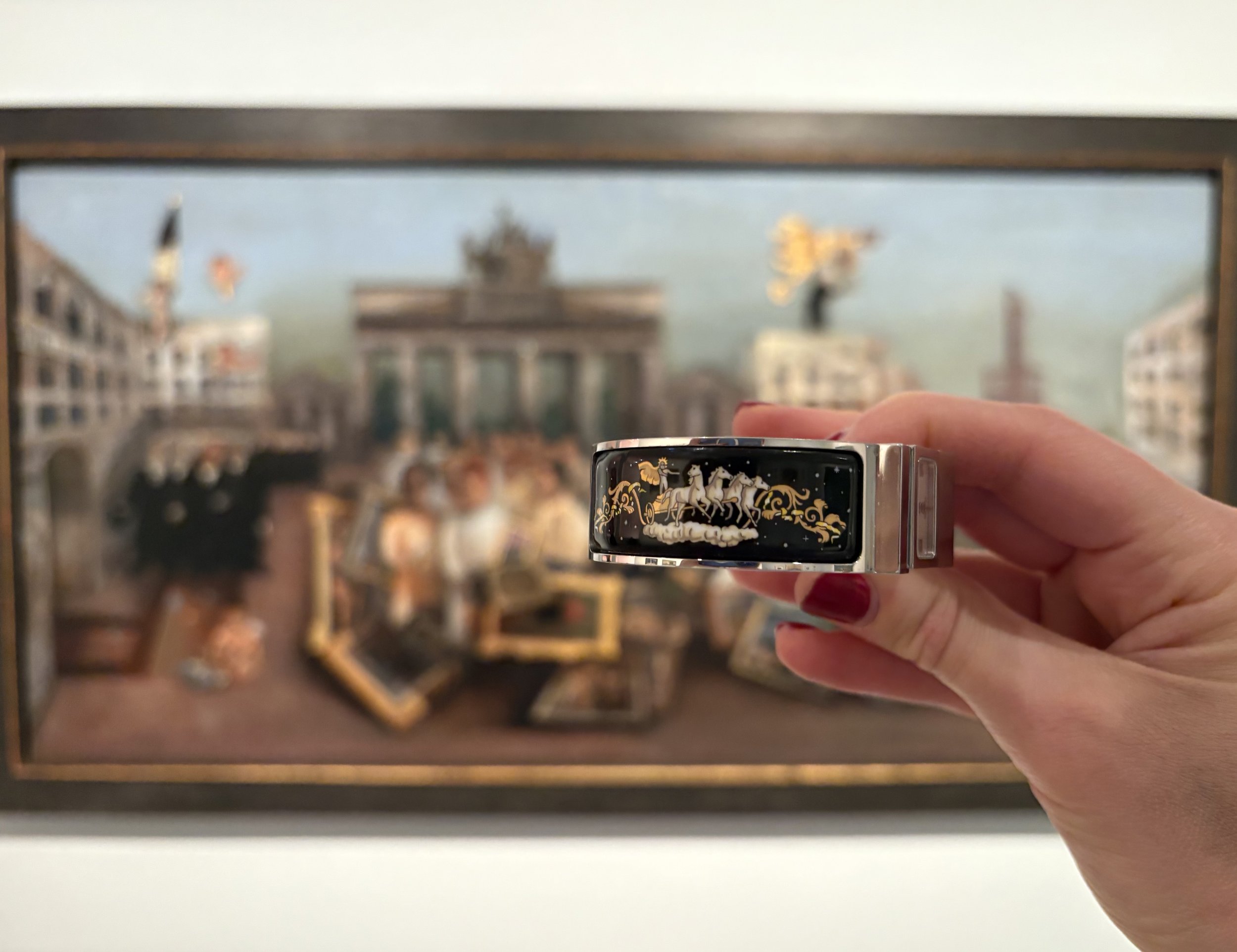
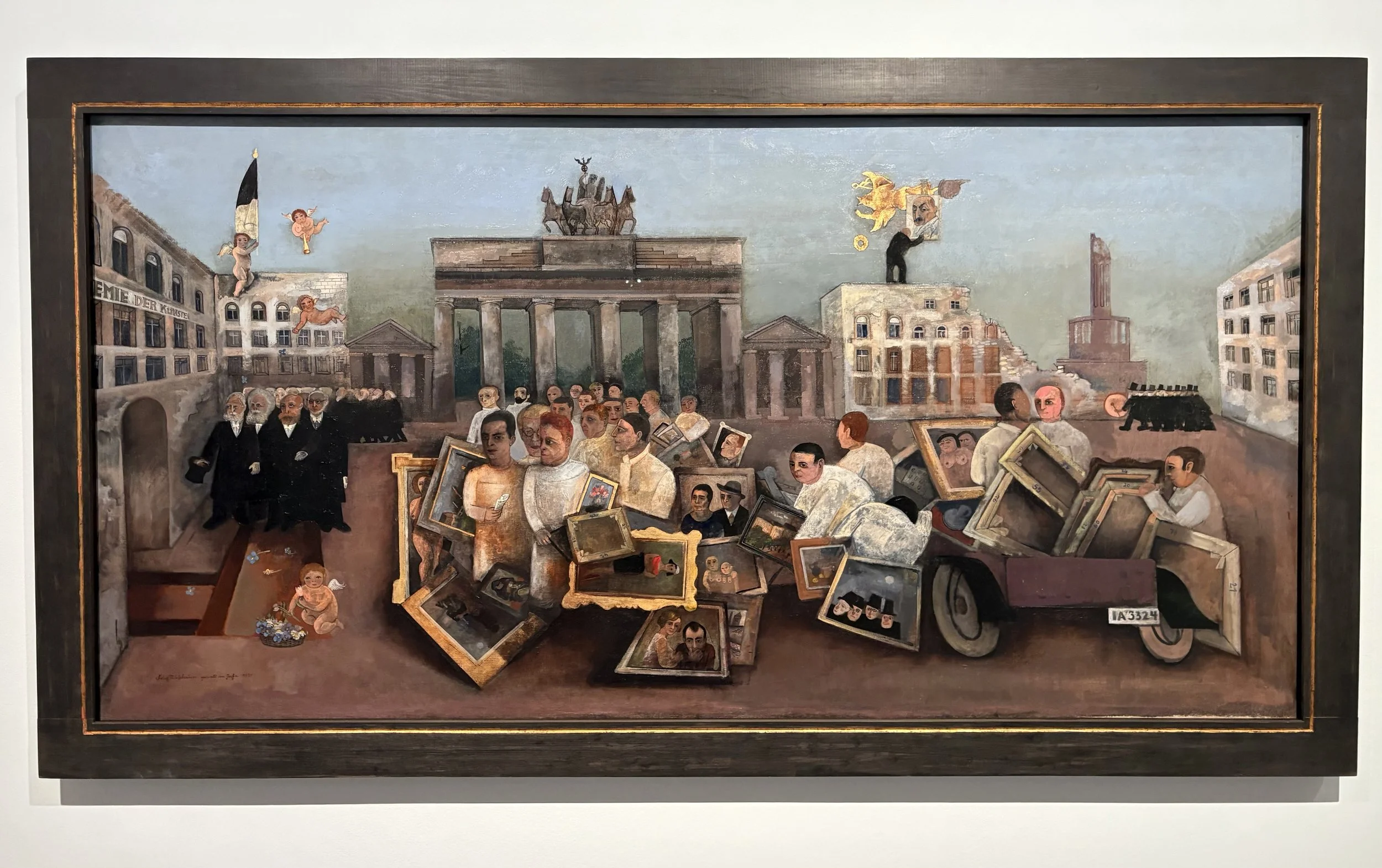
I saw Felix Nussbaum’s The Folly Square today at the Berlinische Galerie. Painted in 1931, it shows the Brandenburg Gate as stage and witness: professors in black march into the Academy, young artists drag their work into the square, and above it all the quadriga hovers. Once a Prussian emblem, then Napoleon’s trophy, later reclaimed and redefined. The quadriga embodies Berlin’s unsettled history of power and display.
On (off) my wrist, a new (old) Hermès enamel bangle watch. Its band shows a cloaked charioteer driving four horses through a starry sky. Crafted in Hermès’ Austrian enamel workshops in the late 20th century, it fuses jewelry with timekeeping, myth with luxury. Like my other watches, it doesn’t tell time (I only wear broken watches, of course). The dial fades, the emblem endures. Nussbaum’s canvas and this enamel quadriga remind me that what matters is not the clock, but what rides across it.
Together, the painting and the watch reveal the quadriga’s restlessness. It refuses to stay fixed. Monument, myth, ornament, emblem of victory and ruin. Its meaning shifts with each surface it inhabits. In Berlin, that feels exact. Time, power, and symbols never stand still.
from the “cathycloset” series. Part archive, part diary.
Cathycloset studies the quiet correspondences between fashion, art, and the everyday act of dressing. Each piece speaks to the small philosophies we wear each day.